
Joining Knitting Circles and Men's Shed Groups Across the UK
Find local crafting communities, what to expect at your first meeting, and how these groups support textile enthusiasts of all ages and experience levels across Britain.

What Are Knitting Circles and Men's Sheds?
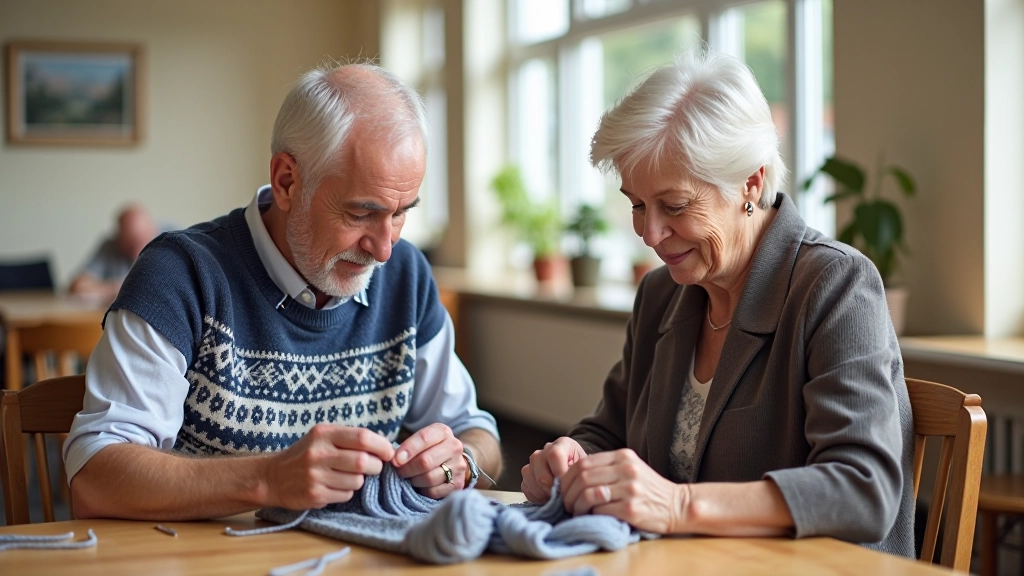
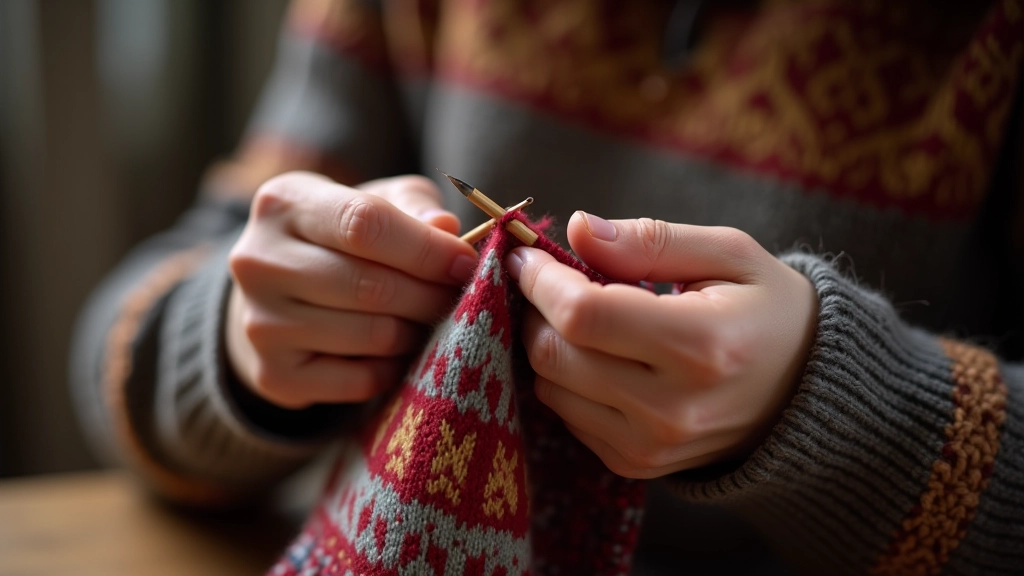
Knitting circles are informal gathering spaces where people meet regularly to work on their textile projects together. You'll find them in community halls, libraries, cafés, and craft studios across the UK. They're not structured classes — there's no instructor standing at the front. Instead, you're surrounded by other knitters and crocheters working on their own projects, sharing tips, and genuinely enjoying each other's company.
Men's Sheds took off in the UK about 15 years ago. Originally focused on woodworking and general DIY, many have expanded to include textile crafts. The Shed movement is about creating spaces where men (and increasingly women too) can pursue practical skills without pressure. It's community, purpose, and craft all rolled together. If you've never heard of your local Shed, they're typically listed through the Men's Shed Association UK, and most have active social media pages showing what they're working on.
The difference: Circles are usually women-dominated and textile-focused. Sheds tend to be mixed or men-focused and offer broader crafts. But honestly? The line's blurry. Many groups call themselves both.
Finding Your Local Group
The best way to find groups in your area? Start with the Men's Shed Association website if you're interested in Sheds — they have a searchable directory of 400+ registered groups. For knitting circles, it's trickier. They're often less formal and don't always have online presence. Check your local library (most have notice boards), community centers, and café bulletin boards. Facebook groups are gold here — search your town name plus "knitting circle" or "craft group."
Some groups meet weekly, others fortnightly. Sessions typically run 2-3 hours. Many meet Tuesday or Wednesday afternoons (traditionally popular times), but you'll find evening groups too. Costs? Usually free or a small donation (£1-3 per session) to cover tea and biscuits. That's genuinely it. No membership fees, no subscriptions.
400+
Men's Sheds across UK
2-3
Hours typical session
£1-3
Typical cost per visit
Your First Visit: What to Expect
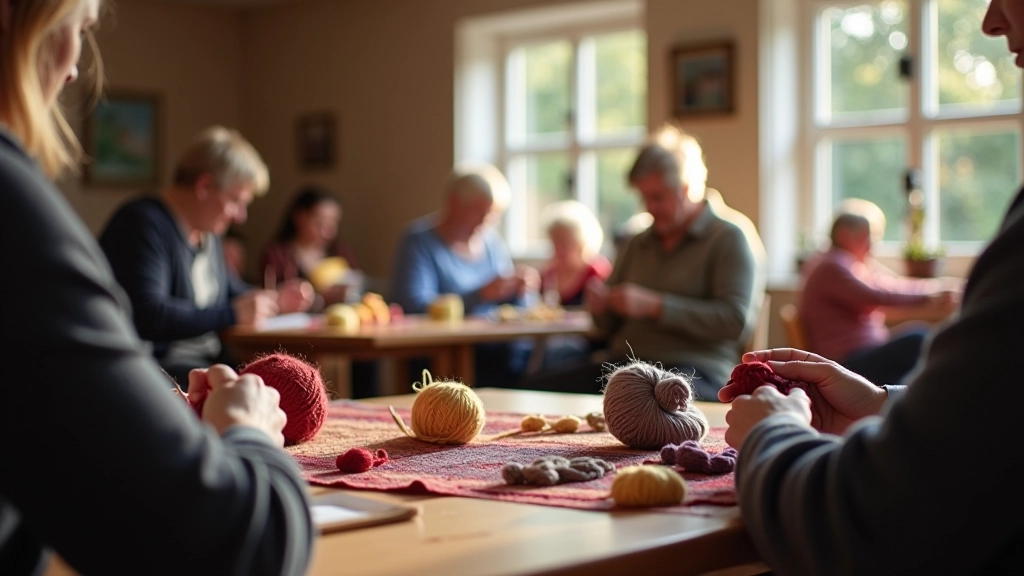
You'll walk in and see people sitting around tables with their needles and yarn. Someone'll probably offer you tea. There's usually a relaxed vibe — people chat, but there's no obligation to be loud or social if you're not feeling it. Bring your current project or ask if anyone has spare needles and yarn for practice. Most groups are brilliant about welcoming beginners.
The first 10 minutes are often "settling in" time. People chat about what they're working on, recent projects finished, or techniques they've discovered. If someone's stuck on a pattern or having trouble with a stitch, others jump in with advice — no gatekeeping, genuinely helpful. You're not being tested. Nobody cares if your tension's off or you're making mistakes. Everyone's made them.
1
Arrive early if possible
Give yourself time to settle in and chat before the full group arrives.
2
Bring your project
Whatever you're currently working on, finished or unfinished. It's a conversation starter.
3
Ask questions freely
Everyone's happy to help. There's no such thing as a silly question in a circle.
4
Return next week
Regular attendance builds friendships and accountability. You'll start recognizing faces.
Why These Communities Matter
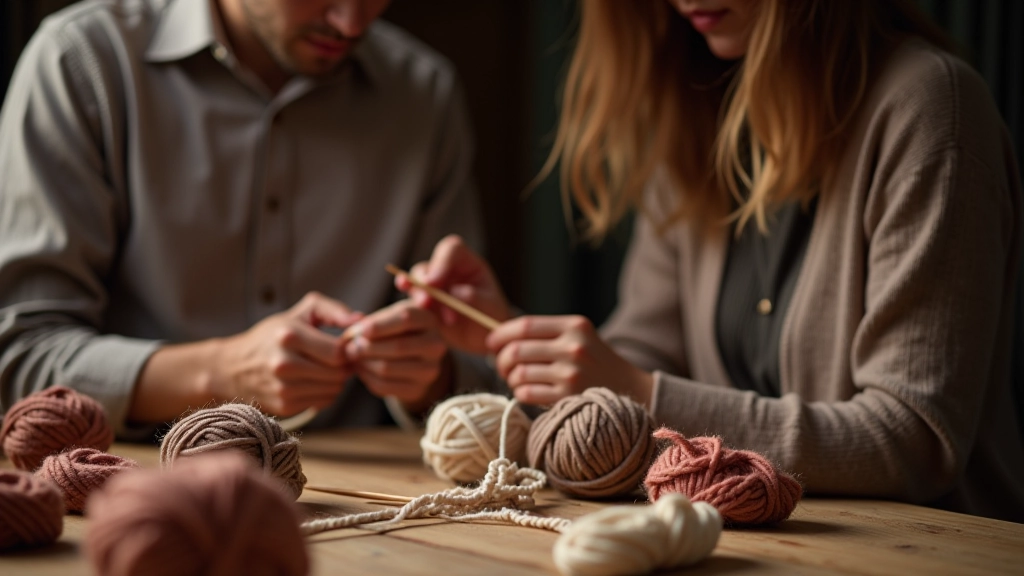
Beyond the actual knitting, these groups offer something increasingly rare: unstructured time with other people pursuing something they care about. There's no performance pressure. Nobody's grading your work. You're simply making things with people who get why that matters. Many members report that circles have genuinely helped with loneliness, anxiety, and feeling disconnected. The repetitive motion of knitting is meditative. The conversation is genuine. Both together? That's powerful.
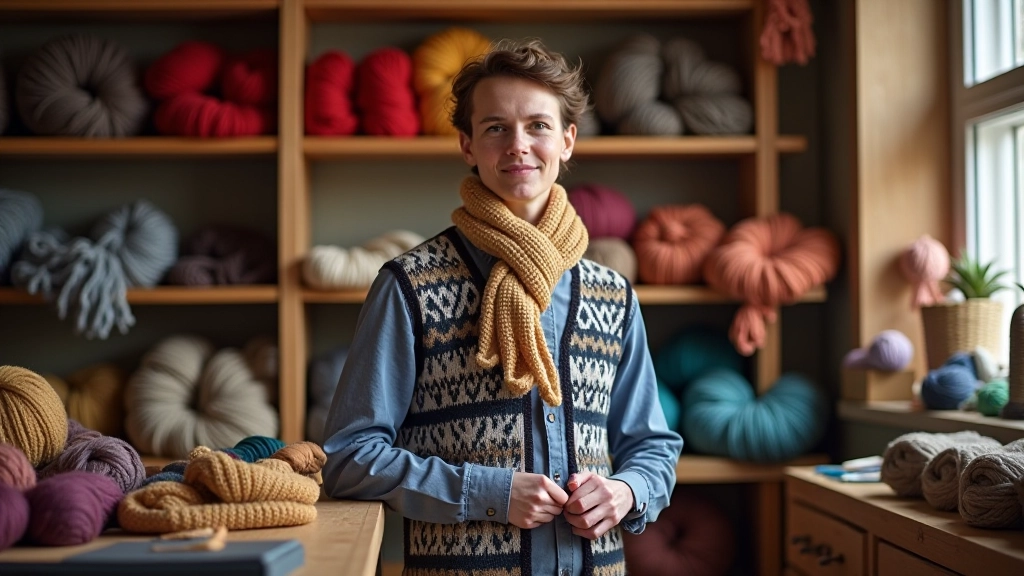
Men's Sheds specifically have done remarkable work reaching older men and those who've experienced redundancy or loss of identity. When you've spent 40 years in one job and suddenly retire, the Shed can become a place where you're valued for skills and knowledge again. The textile wing offers the same benefits but with a different crowd and aesthetic. It's craft with purpose and community.
"I came to the circle thinking I'd just knit quietly. Three years later, these people are my closest friends. We celebrate every finished project, support each other through life stuff, and genuinely look forward to Tuesdays."
Getting Started: Practical Tips
Before your first visit, here's what'll actually help. You don't need fancy equipment. Decent needles in your preferred size, yarn you enjoy working with, and a pattern you're genuinely interested in. Most circles have spare needles and yarn for beginners, so you're not buying anything upfront. Bring a notebook if you like jotting down tips. Some people bring photos of projects they want to make. This gives the group something to discuss and helps them suggest patterns or techniques you might enjoy.
Wear something comfortable. You'll be sitting for 2-3 hours. Bring water if you like (though most venues offer tea and coffee). Don't worry about your skill level — everyone's there because they enjoy it, not to show off. The person working on an intricate Fair Isle cardigan next to you wasn't born knowing how to do that. They learned, probably in a circle just like this one.
If you're nervous, tell the organizer before you arrive. Most groups have someone who actively welcomes new members. They'll sit with you, introduce you around, and make sure you don't feel lost. That first 20 minutes will feel slightly awkward. By the time you leave, you'll already be thinking about coming back next week.
Take the First Step
Finding a knitting circle or Men's Shed textile group is genuinely simple. Search online, call your library, ask at local cafés. The hardest part is showing up that first time. Once you do, you've joined something that's been happening for decades across the UK — people gathering to make beautiful things and support each other while doing it. That's worth the small effort of finding your local group and walking through the door.
About This Guide
This article is informational and educational. Group availability, meeting times, and costs vary by location. Always contact your local group directly to confirm current details before visiting. Information about Men's Sheds is based on the Men's Shed Association UK framework, but individual sheds may operate differently. Check with your local organization for specific offerings and membership requirements.