First Projects for Beginner Knitters
Start with simple scarves and dishcloths. We've picked projects that teach basic stitches without frustration.
Why These Projects Matter
You're thinking about learning to knit. That's brilliant. But where do you actually start? Not with something complicated. Not with a jumper that'll take months. You'll start with something simple that teaches you the fundamentals without making you want to throw the needles across the room.
The projects here aren't random. They're picked because they teach specific skills — garter stitch, stockinette stitch, casting on, casting off — in the right order. You'll finish something real within a week or two. That feeling when you hold something you've actually made? That's what keeps you going.
What You'll Learn
- Basic cast-on techniques (long-tail and thumb methods)
- Garter stitch and stockinette stitch fundamentals
- Reading simple knitting patterns
- Fixing basic mistakes without unravelling everything
- Proper tension and needle control
The Garter Stitch Dishcloth
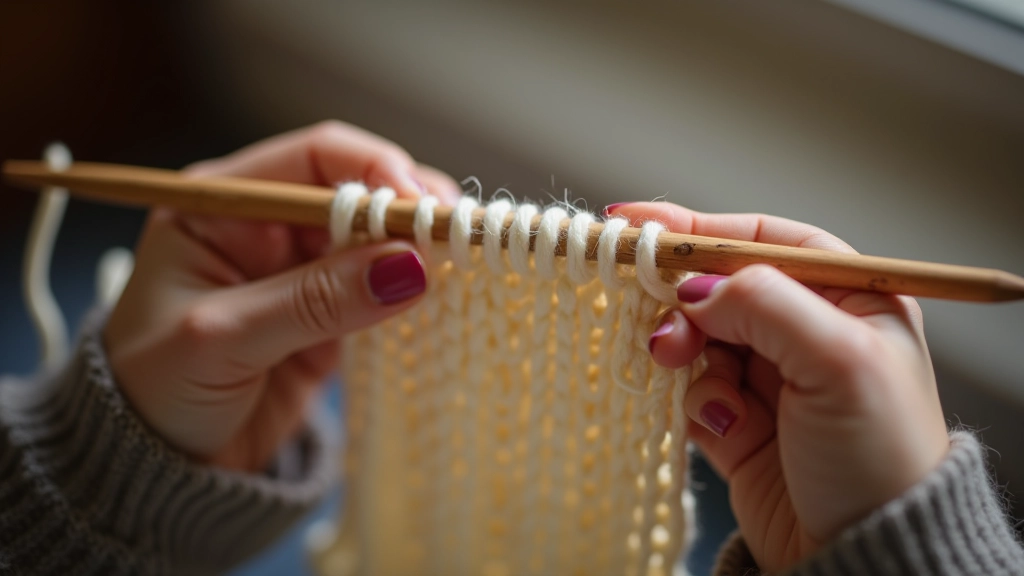
This is the perfect first project. Honestly, it's almost impossible to mess up. A dishcloth is just garter stitch — the same stitch over and over — cast on, knit every row until it's square, cast off. Done.
You'll need size 8 needles and worsted weight yarn. Start with 30 stitches. It takes about 2-3 hours total, and you'll finish in a single sitting if you've got the time. That's the point — you see progress immediately. No waiting weeks to finish something.
The garter stitch teaches you rhythm. Your hands figure out the motion without your brain constantly thinking about it. Left needle to right needle, yarn around, pull through. Left, right, yarn, pull. After about 50 rows, you're not counting anymore. You're just knitting.
Pro Tip
Use a light-coloured yarn for your first project. Dark yarn makes it harder to see your stitches and spot mistakes.
The Stockinette Stitch Scarf
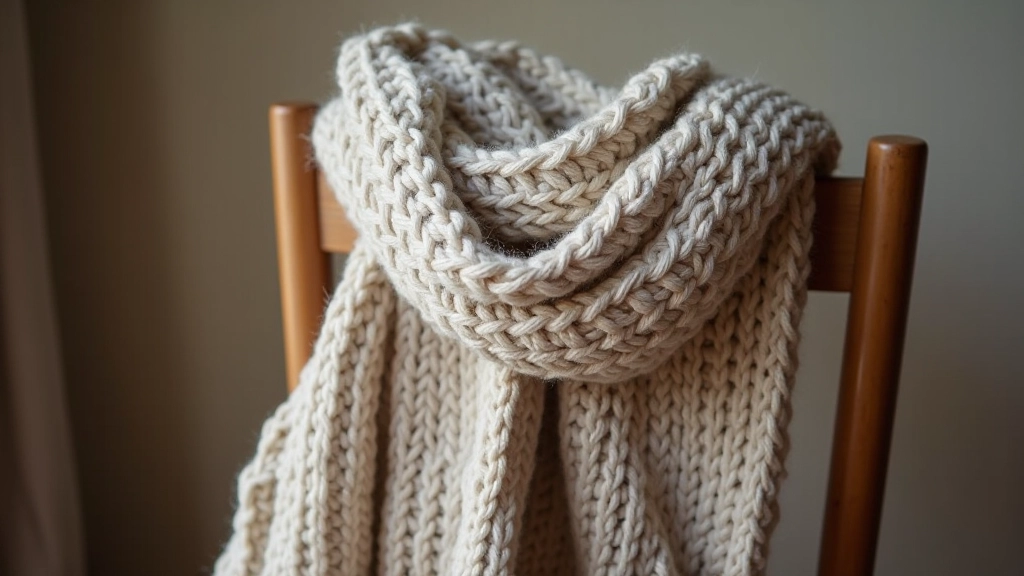
Once you've got the rhythm down with your dishcloth, move to stockinette stitch. This teaches you something new — alternating knit and purl rows. It's trickier than garter stitch but not by much. You'll make mistakes. Everyone does. That's normal.
A scarf is the classic beginner project for a reason. It's just a long rectangle. You pick a yarn weight, cast on about 20-24 stitches, and knit until you're bored or you run out of yarn. Most scarves take 15-20 hours of actual knitting time. Spread that over a few weeks and you're not rushing.
Size matters less with scarves. A scarf that's 50 inches or 60 inches works fine. That takes the pressure off. You're not trying to hit exact measurements. You're just building skill and muscle memory.
Common Stumble
You'll probably accidentally drop stitches. Don't panic. Pick it back up with a crochet hook and move on. This happens to everyone, even experienced knitters.
The Moss Stitch Baby Blanket (Optional)
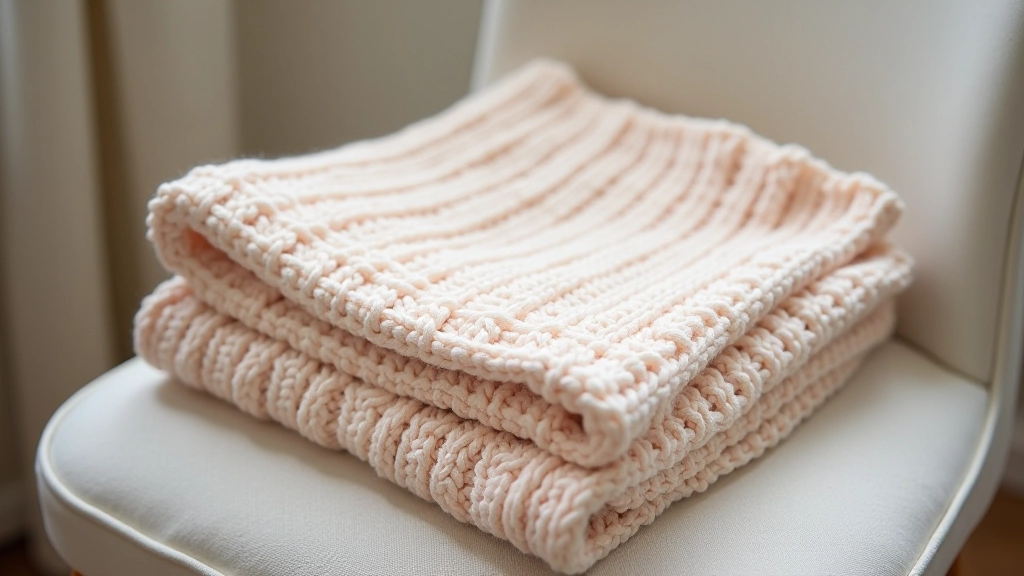
If you're feeling confident after the scarf, try moss stitch — a pattern where you alternate knit and purl within the same row. It's not hard, just a bit more involved. A small baby blanket (maybe 24 by 24 inches) is perfect because it's achievable but substantial enough to feel like a real accomplishment.
Moss stitch creates a lovely textured fabric. It's the kind of thing people look at and say, "You made that? That's really nice." That confidence boost matters. You've gone from learning basic stitches to creating something with actual texture and visual interest.
A baby blanket takes 30-40 hours depending on your speed. That's a project you work on for a couple of months. By the end, you've built real skill. You're reading patterns more confidently. You understand tension better. Your hands know what they're doing.
What You'll Actually Need
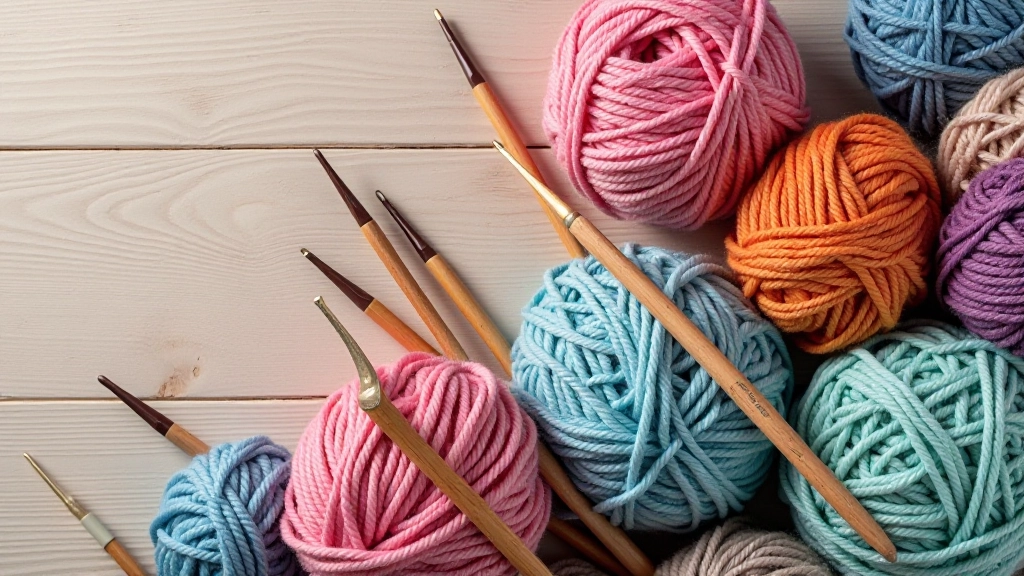
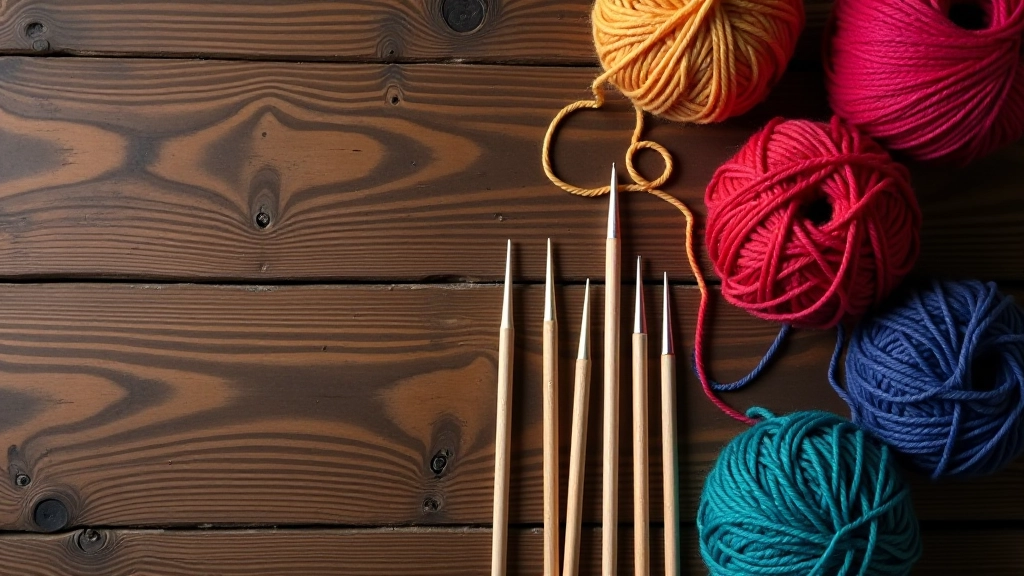
Needles (US Size 8-10)
Bamboo needles grip yarn better than metal. They're cheaper too. Expect to spend £4-8 for a pair.
Worsted Weight Yarn
Light colours, acrylic or wool blend. Avoid dark colours and fuzzy textures. A ball costs £2-5 and goes a long way.
Small Scissors
Any scissors work. You're just cutting yarn. Keep them with your project so you don't waste time searching.
Pattern
Free patterns on Ravelry and yarn manufacturer websites. Start with the simplest ones.
Tape Measure
Cheap plastic ones work fine. You'll check your progress more often than you think.
Crochet Hook
Size H or I. Essential for picking up dropped stitches. You'll need this sooner than you think.
Getting Started: The First Week
1
Watch One Video (15 minutes)
Search "long-tail cast on" on YouTube. Watch one clear tutorial. Don't watch five. One is enough. You're just getting the basic idea.
2
Cast On (20 minutes)
Your first attempt will be messy. That's fine. You're just learning the hand movement. Do it once, take a photo, and keep going.
3
Knit Your First Row (15 minutes)
Slow and steady. You're not racing. If a stitch feels tight, that's normal. Relax your hands. It gets easier.
4
Knit Five More Rows (1 hour)
Stop after five rows. Your hands might hurt. That's completely normal. Rest, stretch, come back tomorrow.
5
Knit Daily (15-20 minutes)
Short sessions work better than long ones. Consistency matters more than marathon sessions. By day seven, your hands have found their rhythm.
Why Start Here?
These three projects aren't flashy. They're not Instagram-worthy jumpers or complicated Fair Isle patterns. They're practical. They're achievable. And they build the skills you need for everything that comes after.
You'll finish your first project within a week or two. That matters. You'll hold something you made. You'll show someone and they'll actually be impressed. That's the moment you stop thinking about knitting as something complicated and start thinking of it as something you do. Something you're good at.
The progression matters too. Garter stitch teaches rhythm. Stockinette stitch teaches pattern reading. Moss stitch teaches texture. By the time you finish these three, you've got the foundation for anything else. Socks, jumpers, Fair Isle patterns, shawls — it's all built on these same basics.
Start simple. Finish something. Then start again. That's how you become a knitter.
About This Guide
This article is for educational purposes to help you understand beginner knitting projects and techniques. Knitting experiences vary based on individual skill levels, hand strength, and practice frequency. Results will differ depending on your starting point and commitment. Always follow safety guidelines when using knitting needles, and consult pattern instructions carefully. If you experience pain or repetitive strain, take breaks and consider consulting a healthcare professional.
Related Articles