Crochet Basics for Complete Beginners
Single crochet, double crochet, and reading patterns. Everything you need to start crocheting today.
Why Start Crocheting?
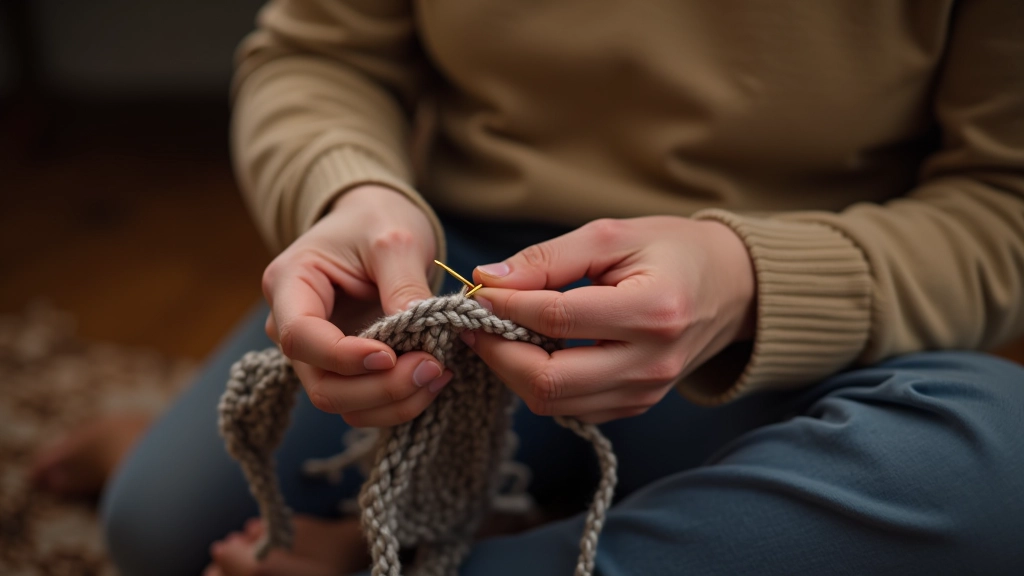
Crochet isn't complicated. Honestly, it's easier than knitting because you're only working with one active loop at a time. You won't drop stitches and have to unravel three rows. That's the beauty of it.
With just a hook and some yarn, you'll create scarves, blankets, hats, and amigurumi (those adorable stuffed creatures) within weeks. Many people find crochet meditative—it's rhythmic, satisfying, and you'll see progress immediately. Unlike knitting where you might spend months on a single sweater, crochet projects move quickly.
The investment is minimal. A decent beginner hook costs less than a cup of coffee, and yarn comes in every colour imaginable. You'll be amazed what you can make once you understand the fundamentals.
The Essential Tools
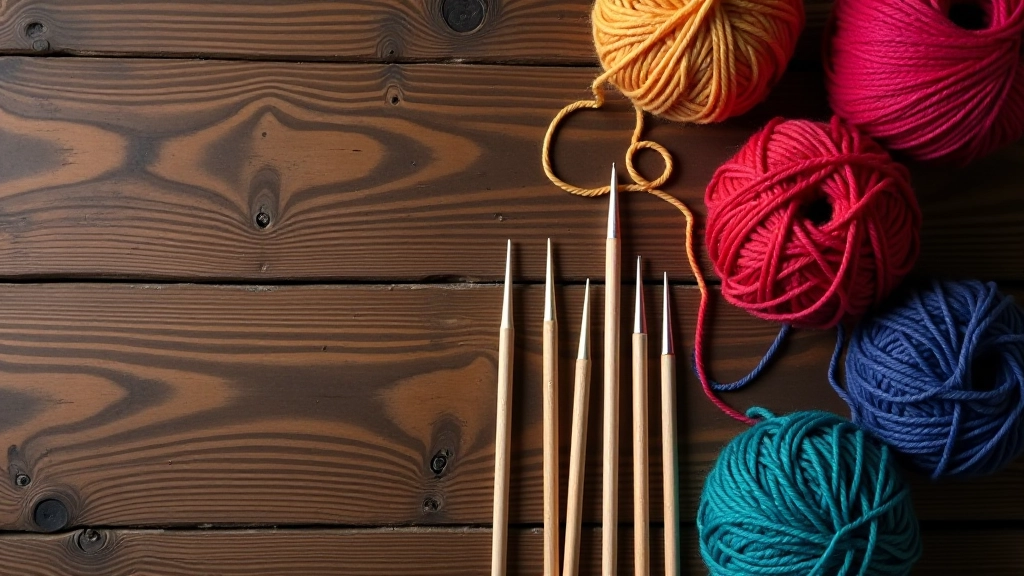
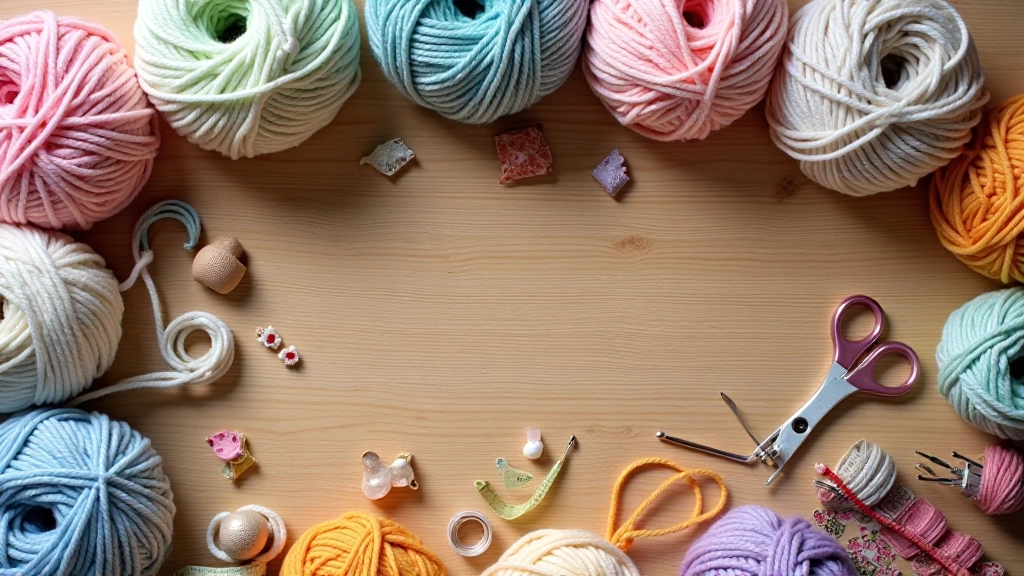
You'll need three things to get started: a crochet hook, yarn, and scissors. That's genuinely it. No needles, no complicated equipment.
Crochet Hooks
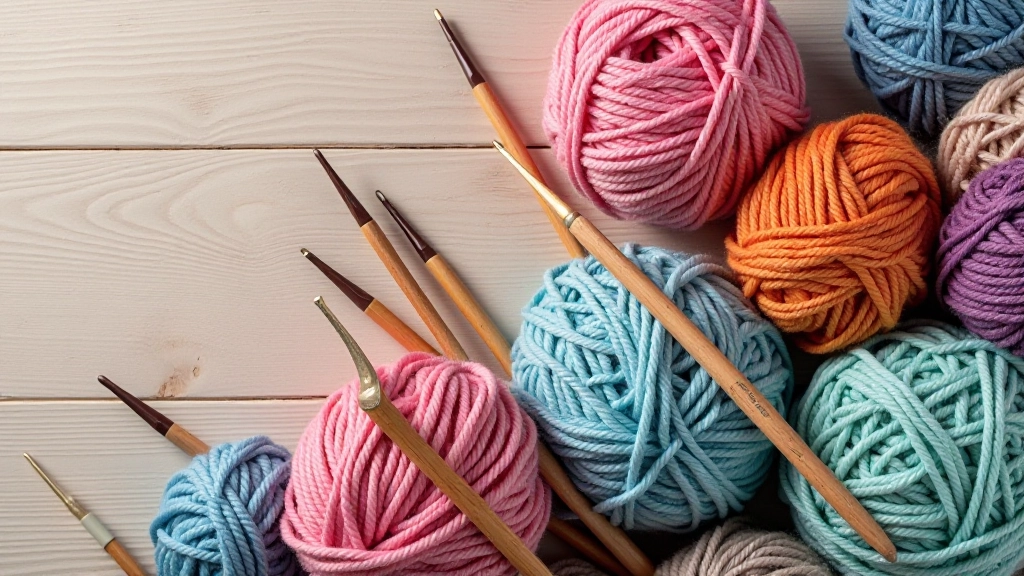
Hooks range from tiny (steel hooks for lace work) to jumbo (for chunky blankets). For beginners, a size 5.5mm or 6mm hook is perfect. It's thick enough to hold comfortably and thin enough to see your stitches clearly. Aluminum hooks are affordable and durable—grab a pack for about £3-5.
Yarn Selection
Start with worsted weight yarn (thickness labeled as #4). Light colours—white, cream, pale yellow—are best for beginners because you'll actually see your stitches. Dark yarn makes it impossible to see what you're doing. A simple acrylic yarn works perfectly and costs under £2 per ball.
Other Essentials
Stitch markers (or just bobby pins) help you track your place. Scissors for cutting yarn. A yarn needle for weaving in ends. You probably have these already.
Master Three Basic Stitches
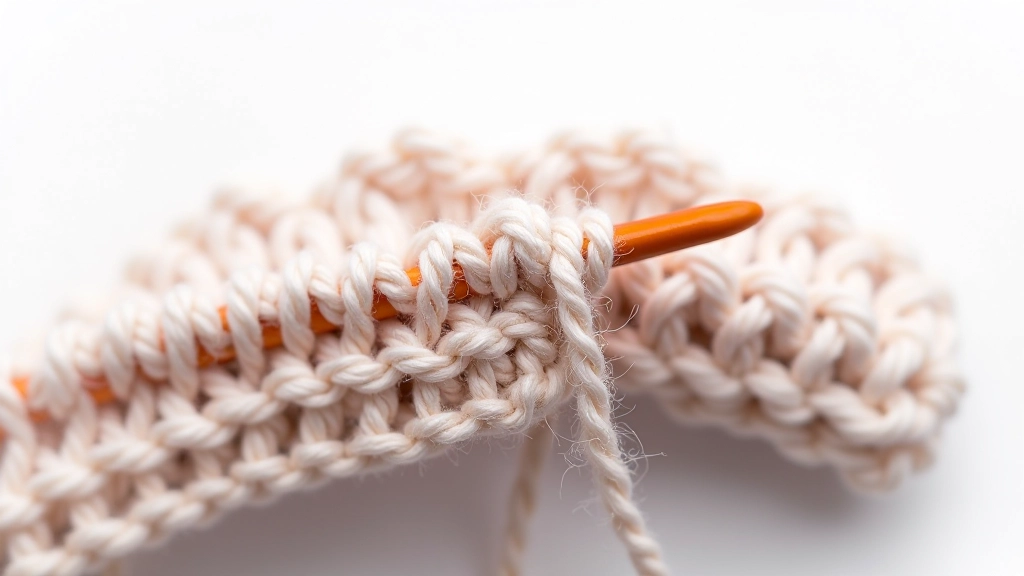
You don't need dozens of stitches. Most projects use just two or three. Once you nail these, you can make almost anything.
Single Crochet (sc)
The shortest stitch. It creates a tight, dense fabric. Perfect for amigurumi and structured projects. It's also the easiest to learn because there's barely any height to manage.
Double Crochet (dc)
About twice the height of single crochet. Creates a more draping, flexible fabric. Most scarves and blankets use double crochet because it works up quickly and feels soft.
Slip Stitch (sl st)
Barely any height at all. Used to join rounds and connect pieces. Think of it as the "structural" stitch that holds things together without adding visible height.
Honestly, if you can master single and double crochet, you're 80% of the way there. The rest is just repeating these stitches in different patterns.
Reading Crochet Patterns
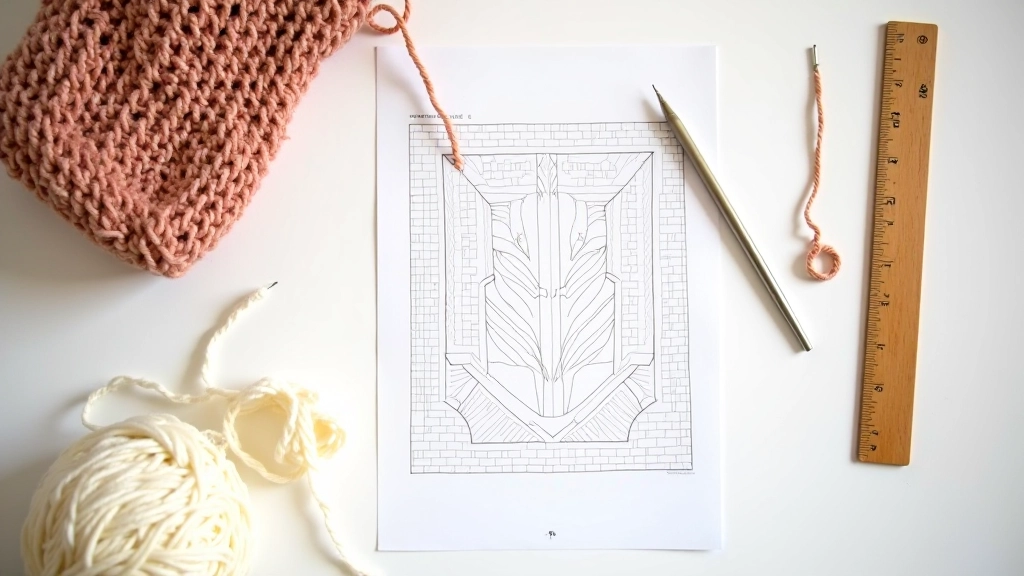
Patterns look like gibberish at first. They're not. They're just shorthand. Once you understand the abbreviations, they're straightforward instructions.
A typical pattern line looks like this:
Row 1: Ch 20, dc in 4th ch from hook and in each ch across (17 dc)
Translation: Make a chain of 20. Skip 3 chain stitches. Put a double crochet in the 4th chain from your hook. Then put a double crochet in every chain until the end. You'll end up with 17 double crochet stitches.
Most abbreviations are consistent across patterns. Ch = chain, sc = single crochet, dc = double crochet, inc = increase (make 2 stitches in 1 stitch), dec = decrease (combine 2 stitches into 1).
For your first project, find a simple scarf pattern or dishcloth. These are usually just: chain, then rows of the same stitch repeated. No shaping, no complicated abbreviations. Once you've done a few, reading patterns becomes automatic.
Your First Projects
Start simple. Don't jump into a sweater. Here's a realistic progression:
Week 1-2: Simple Dishcloth
Chain 20. Single crochet in each stitch for 20 rows. You'll finish in one or two sittings. It's ugly? That's fine. You're learning tension and consistency.
Week 3-4: Basic Scarf
Chain 15, double crochet rows until it's about 1.5 metres long. Takes maybe 5-6 hours of work spread across a week or two. You'll wear this. People will compliment it.
Month 2: Granny Square Blanket
Make 16 squares, each about 15cm. Join them together. Now you've got a proper blanket. Takes 15-20 hours total. Feels like a real accomplishment.
Month 3: Simple Beanie
Start with a magic ring, spiral upward with increases, then decrease at the top. You'll understand shaping now. Wearable and genuinely useful.
Tips for Smooth Progress
Tension matters more than speed. Beginners often crochet too tight. Your stitches should slide easily on your hook. If you're struggling to insert the hook, loosen up. Take breaks. Crochet for 15-30 minutes at a time. Your hands need to build muscle memory and endurance.
Count your stitches. Seriously. Every row, count. You should have the same number you started with. Missing stitches? You dropped one. Too many? You probably increased accidentally. It's frustrating but essential.
Don't rip back everything. If you mess up in the middle of a row, it's fine. Keep going. Your first projects won't be perfect. That's the point. Perfection comes later.
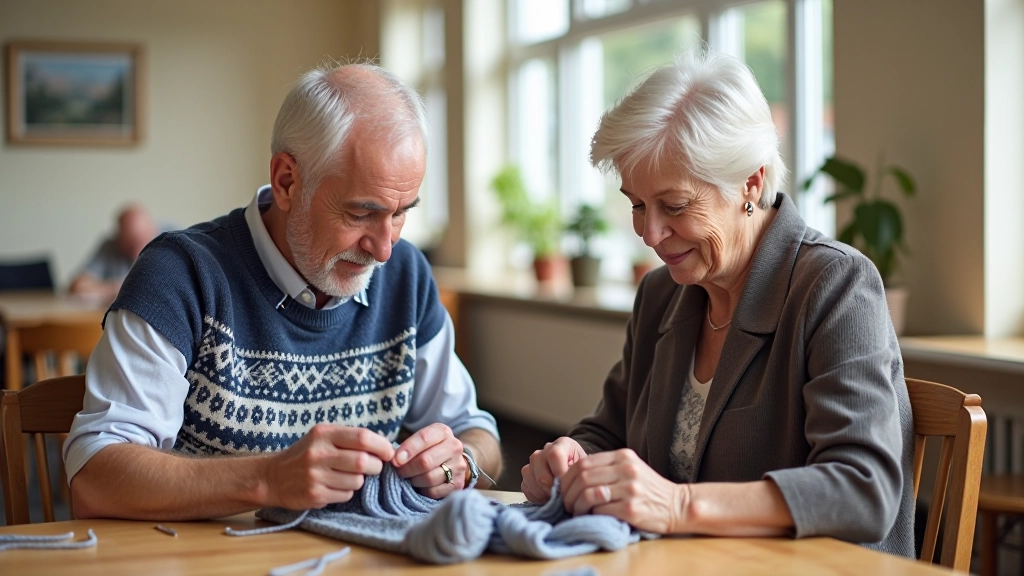
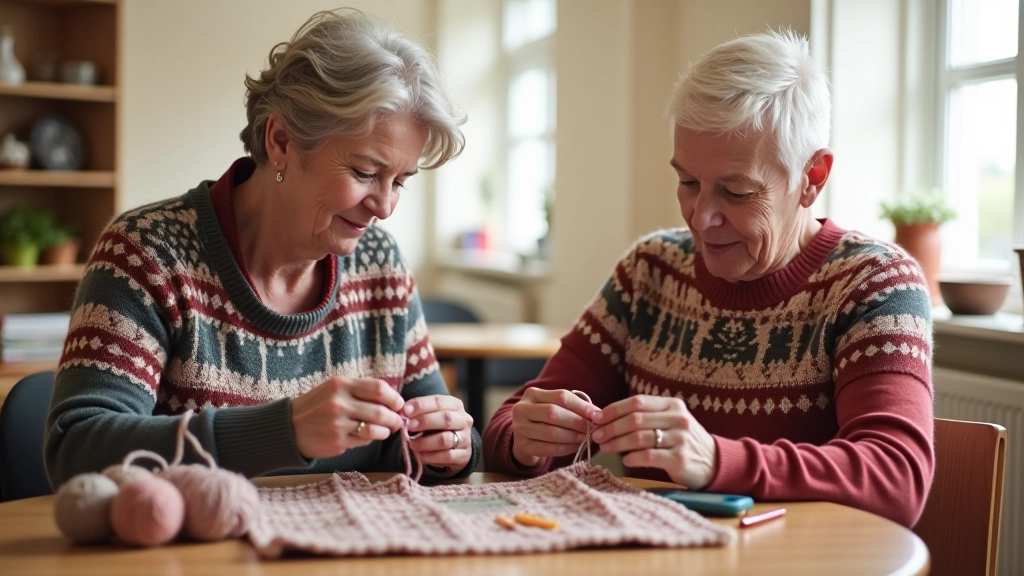
Join a crochet circle. Local craft groups and Men's Shed programmes across the UK offer drop-in sessions. Sitting with other people who crochet changes everything. They'll spot mistakes, show you shortcuts, and make it fun.
Your first week will feel clumsy. Week two gets easier. By week four, your muscle memory kicks in and your hands just know what to do. You won't be thinking about every stitch anymore.
Ready to Begin?
Crochet is genuinely one of the most accessible crafts. You don't need expensive materials, special skills, or years of training. You need a hook, yarn, and willingness to spend a couple of hours learning the basics. After that? You're making things. Real, usable, beautiful things you can be proud of.
Pick up a hook this week. Start with a simple chain. Get comfortable with the motion. Then try a single crochet row. You'll surprise yourself with how quickly it clicks.
Want to explore more about textile crafts and connect with local communities?
Find Knitting Circles & Men's Shed Groups Near YouEducational Information
This article provides general guidance and educational information about crochet techniques and practices. The methods and timelines described are based on typical beginner experiences and may vary depending on individual learning pace, frequency of practice, and personal factors. Always follow pattern instructions carefully and seek additional guidance from experienced crocheters or instructors if needed. Craft activities are generally safe, but be aware of proper ergonomics to avoid strain or repetitive stress injuries during extended practice sessions.
Continue Learning