
Understanding Fair Isle Knitting Patterns
Explore the mathematical principles behind Fair Isle patterns, colour theory, and how to read traditional Shetland charts. Learn why tension matters and how to avoid common colour-work mistakes.
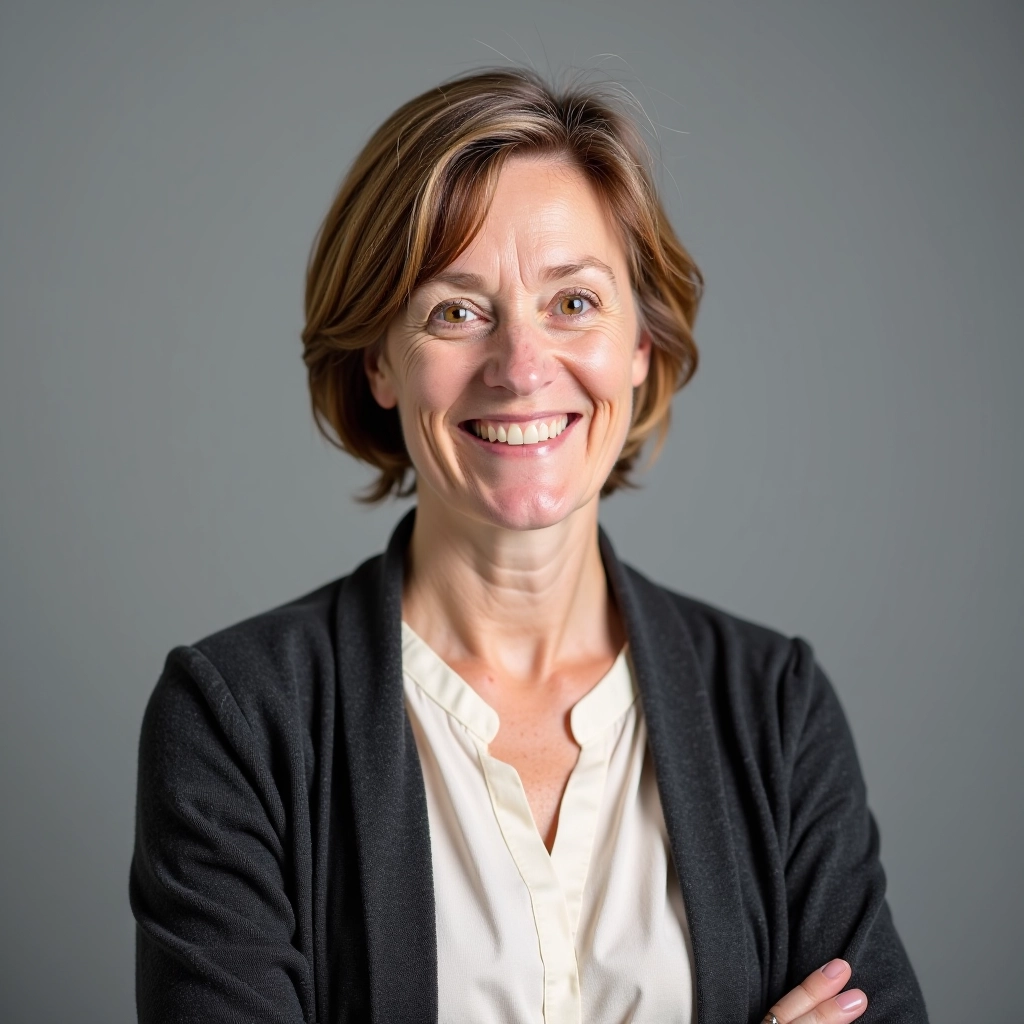
Senior Textile Crafts Editor at sonnenbach Ltd
Fair Isle knitting patterns • Beginner knitting instruction • Community craft programmes • Men's Shed textile initiatives
18 years of experience teaching traditional British textile arts and building inclusive knitting communities across the UK. Studied Textile Design at Edinburgh College of Art.
Margaret's journey into textile crafts started young. At seven years old, her grandmother taught her to knit in the Scottish Borders—using wool from local sheep and needles that had been passed through generations. But it wasn't until after completing her Textile Design degree at Edinburgh College of Art in 2006 that she decided to make this her career.
Over the past 18 years, she's worked with heritage organisations including the Scottish Knitting Heritage Trust and the Shetland Museum, where she developed educational frameworks for Fair Isle pattern instruction. This work was crucial—she was documenting traditional techniques that risked being lost entirely. Her time with these organisations gave her deep knowledge of pattern theory, historical context, and how to teach these skills to complete beginners.
A pivotal moment came in 2015. Margaret established the Northumberland Knitting Circle Network, starting with a single group meeting in a village hall. Today, that network includes 23 affiliated circles across the region. She didn't just create a network—she created something sustainable. These aren't just places where people knit; they're communities where friendships form and knowledge passes between generations.
Her work with Men's Shed groups since 2018 has been particularly rewarding. She's helped challenge gender stereotypes around knitting whilst providing meaningful creative outlets for men who might not have found these spaces otherwise. These groups are thriving, and the feedback she gets is always the same: people come for the knitting, they stay for the community.
At sonnenbach Ltd, Margaret translates her hands-on expertise and community insights into clear, practical guides. She believes traditional textiles shouldn't be confined to museums or experts—they should thrive in community spaces, retirement homes, and craft workshops where real people can discover them.
Margaret's expertise spans multiple areas of textile crafts, from traditional techniques to community engagement strategies.
Deep knowledge of Fair Isle pattern theory, colour combinations, and historical context. She's studied original patterns from Shetland and teaches the mathematical principles behind pattern creation.
Teaching complete beginners for nearly two decades. She understands the common stumbling blocks and how to break techniques into manageable steps without overwhelming new knitters.
Solid grounding in crochet basics and how it differs from knitting. She teaches crochet as a complementary craft that many knitters want to explore alongside their needlework.
She's built and managed multiple knitting circle networks across the UK. She understands how to create inclusive spaces where people of all ages and abilities feel welcome to learn together.
Pioneering work bringing textile crafts into Men's Shed workshops across the region. She's developed frameworks that make these spaces welcoming for men discovering textiles for the first time.
Experience working with heritage organisations to document traditional techniques. She understands how to preserve and communicate historical textile knowledge for modern learners.
Margaret's teaching approach comes from years of working directly with learners in community spaces. She doesn't believe in overwhelming beginners with technical jargon. Instead, she breaks every technique into its simplest components and builds from there.
When teaching Fair Isle knitting, for example, she doesn't start with complex 16-colour patterns. She starts with the foundational principle: holding two colours and understanding tension. Once that's solid, she introduces simple two-colour patterns. Only when students are confident do they move to more complex work. This progression takes patience, but it works.
She's learned through her community work that people learn best when they're surrounded by others. A knitting circle isn't just more fun than learning alone—it's actually more effective. When someone gets stuck, they've got peers to ask. When someone finishes their first project, they've got people to celebrate with.
Her work with Men's Shed groups taught her something important: craft isn't gender-specific, but spaces often are. She's deliberately created environments where men feel comfortable picking up needles without any awkwardness. The result? Thriving textile programmes in workshops across the region.
"Traditional textiles shouldn't be confined to museums or experts. They should thrive in community spaces where real people can discover them, learn at their own pace, and find genuine connection with others."
Every skill is reduced to its essential components. No jargon overload, just clear steps you can follow.
Learning in groups creates connection and makes the experience richer. People stay engaged because of friendships, not just the craft.
Understanding where patterns come from and why techniques evolved makes learning more meaningful. Context matters.
Remove barriers to entry. Whether you're eight or eighty, male or female, there's a way in. Everyone belongs in textile crafts.
Educational resources covering everything from Fair Isle patterns to finding your local knitting community.
Explore the mathematical principles behind Fair Isle patterns, colour theory, and how to read traditional Shetland charts. Learn why tension matters and how to avoid common colour-work mistakes.
Start your knitting journey with the right projects. Margaret walks through five beginner-friendly patterns that teach fundamental skills without overwhelming you.
Ready to try crochet? Learn the fundamental stitches, how to hold your hook, tension control, and beginner-friendly projects to build your confidence.
Find your local knitting community. Discover how to find and join knitting circles, Men's Shed textile groups, and craft communities near you.
Margaret's guides cover Fair Isle knitting patterns, beginner projects, crochet basics, and finding local knitting circles and Men's Shed groups across the UK. Whether you're picking up needles for the first time or looking to join a community, you'll find practical, clear guidance.